
Breakouts
Breakout: Slash

System/Beginner
Breakout: Slash
A breakout built off the weak-side winger slashing through the zone toward center ice, with the strong-side winger holding the wall and the center coming low and slow as support.
Breakouts
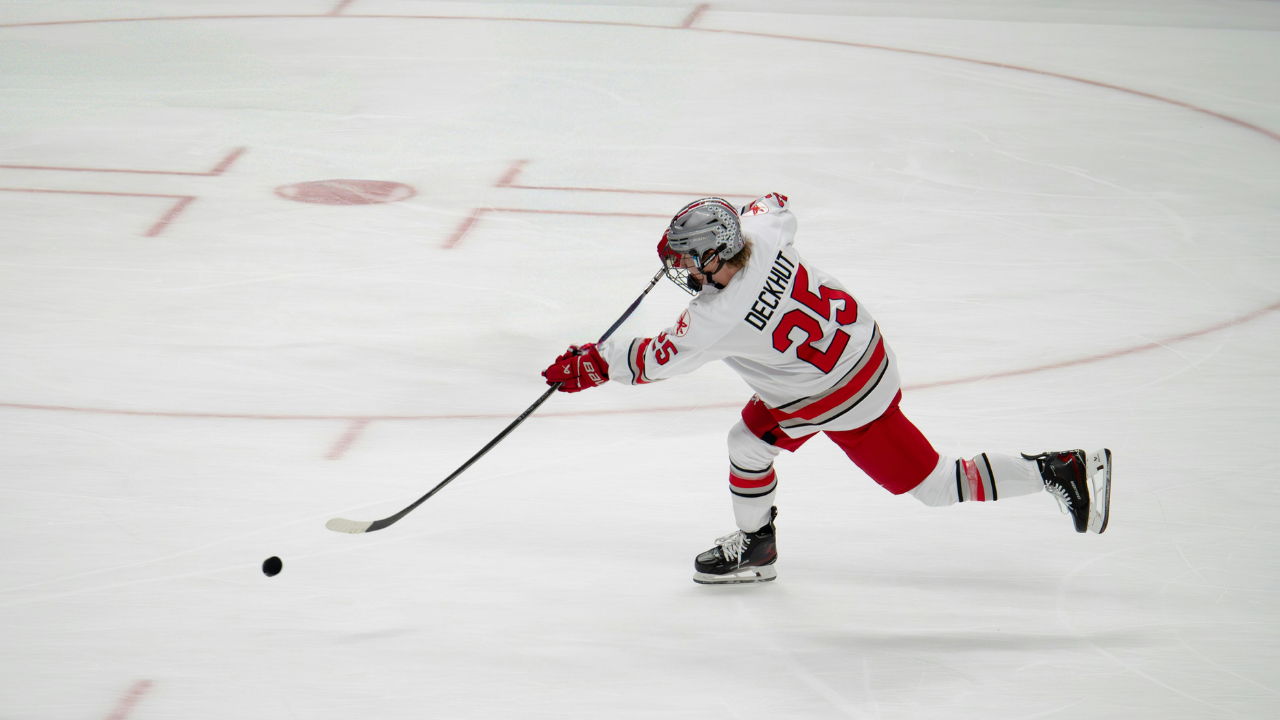
Study the game's systems, draw your own plays on the whiteboard, and train your read-and-react with the Hockey IQ simulator — a complete toolkit for players who want to think the game faster.
What the system is trying to accomplish, who is responsible for what, and the read that makes it work.
A full-ice whiteboard in your browser. Draw plays, build a practice plan for your next session, then save it or print a one-sheet for the bench. No app, no login — just draw.
A free off-ice trainer that puts you on the ice with the puck and a closing defence. Find space, read the lane before it exists, and move the puck under real time pressure.
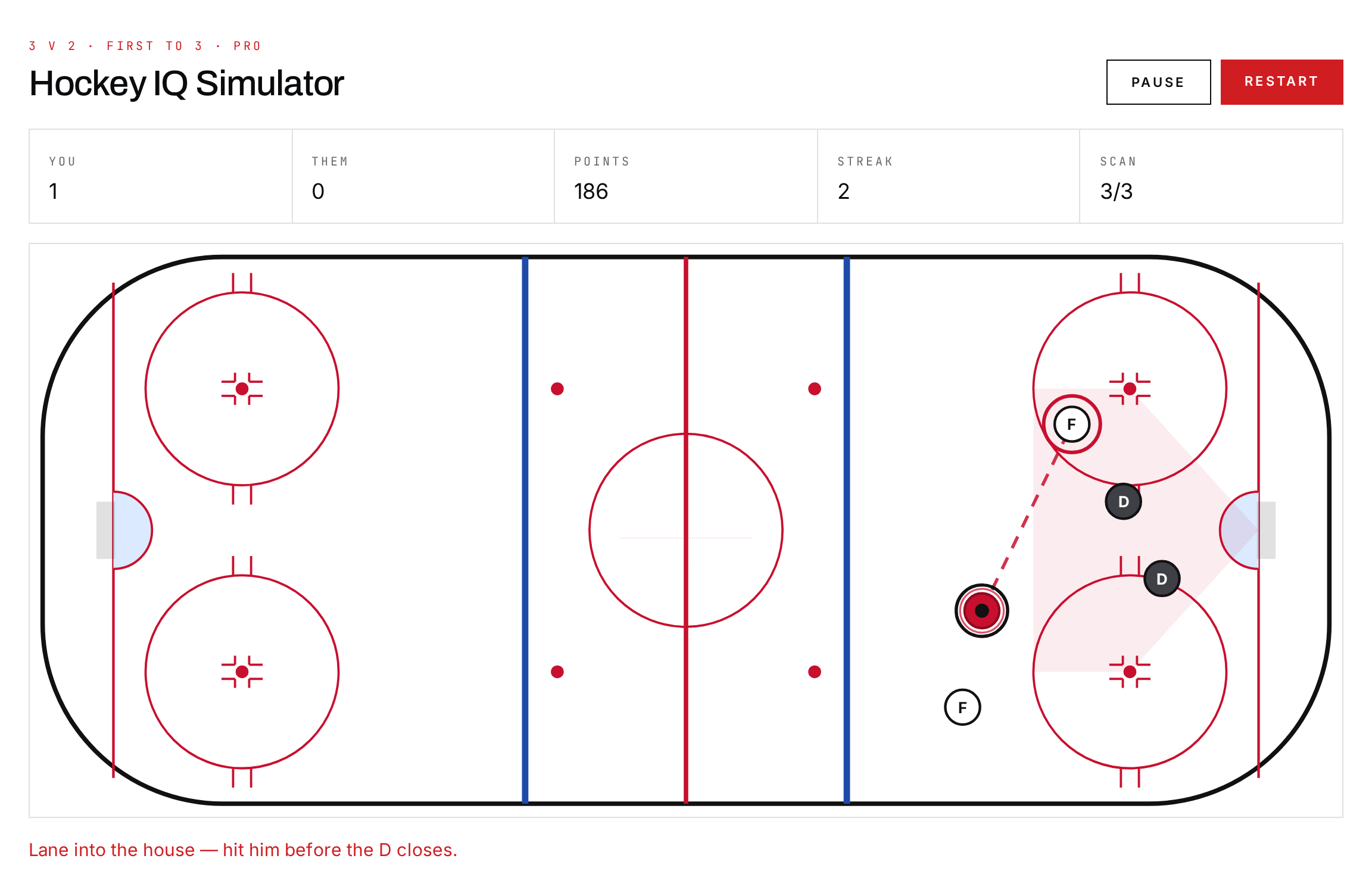
Pass into space
Short clock
Lanes close fast
Head up, always
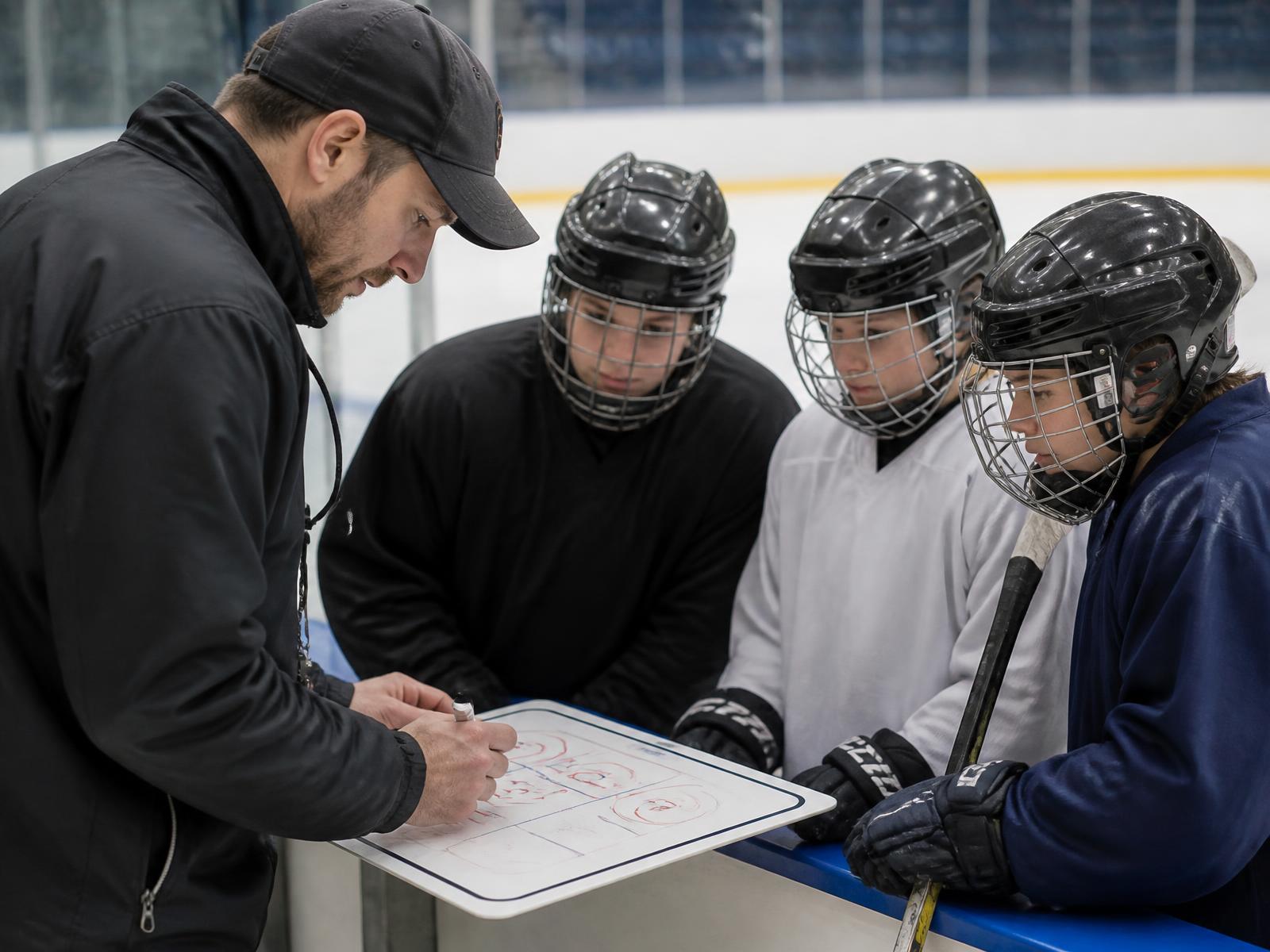
Most development stops at mechanics — edges, hands, shots. Those matter. But the players who keep moving up are the ones who see the play early, understand the structure around them, and make the right decision at speed.
Overload Hockey teaches that layer directly. Every lesson names the read, shows it on film, and gives you a way to practice it. No filler, no unnecessary complexity.
See the play before it happens.
Know where to be and why.
Train your brain, not just your hands.
Straight answers to the questions that come up at the rink.
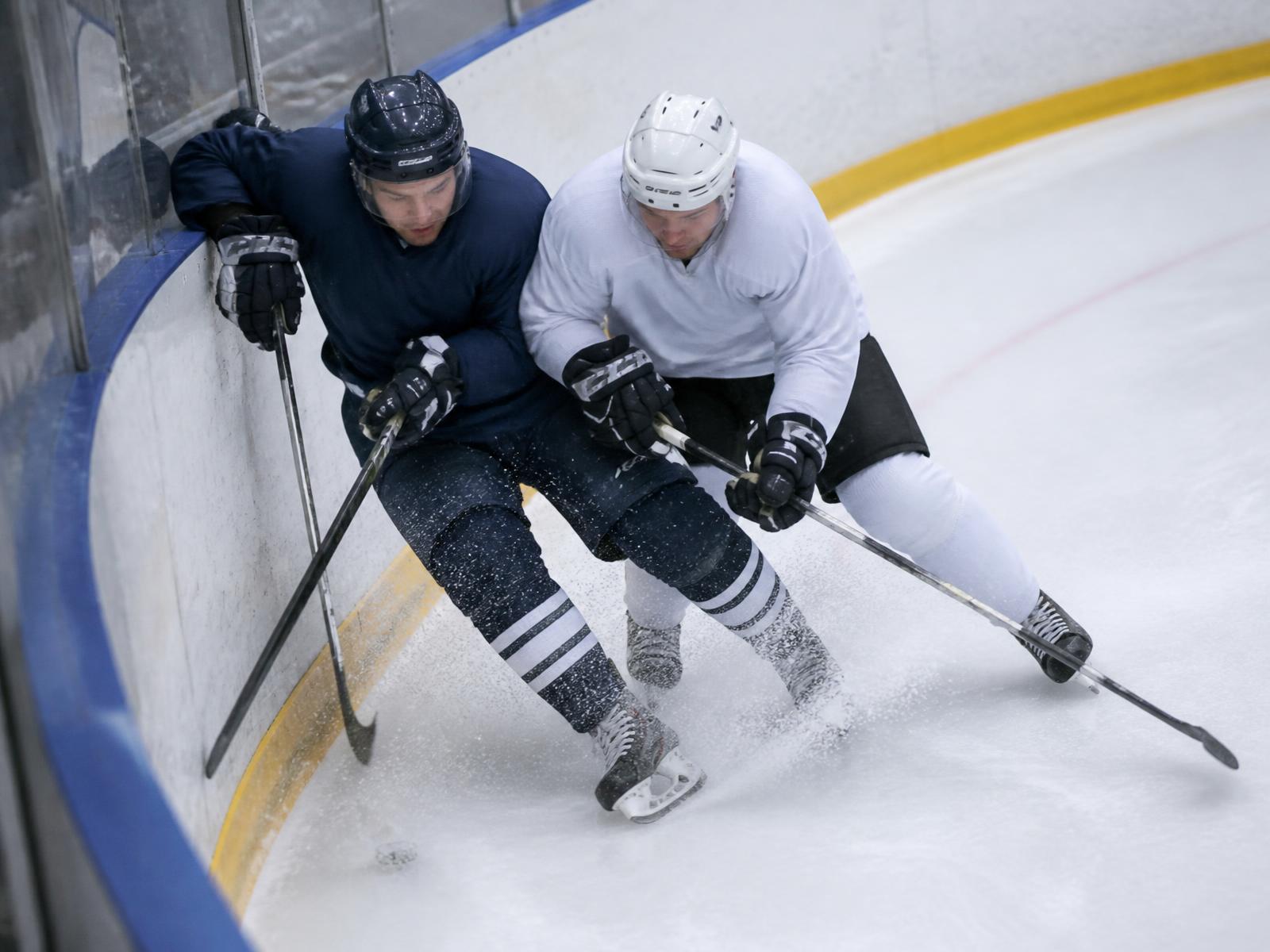
A good hockey player plays where the puck is. A great hockey player plays where the puck is going to be.


